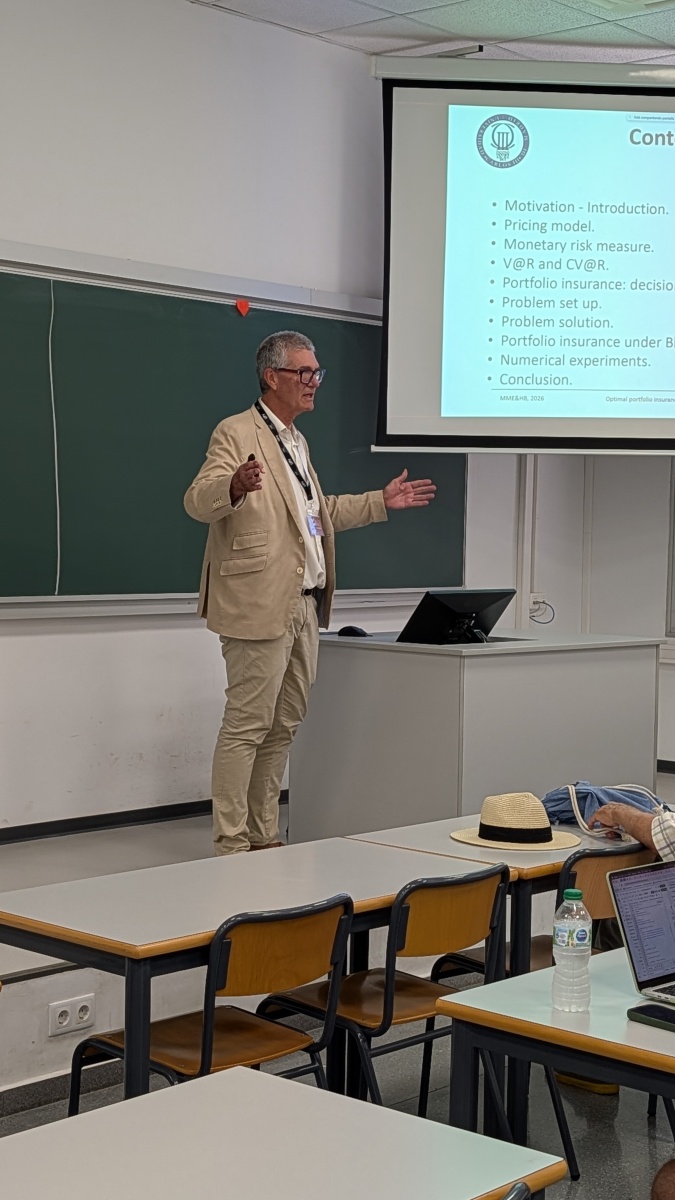
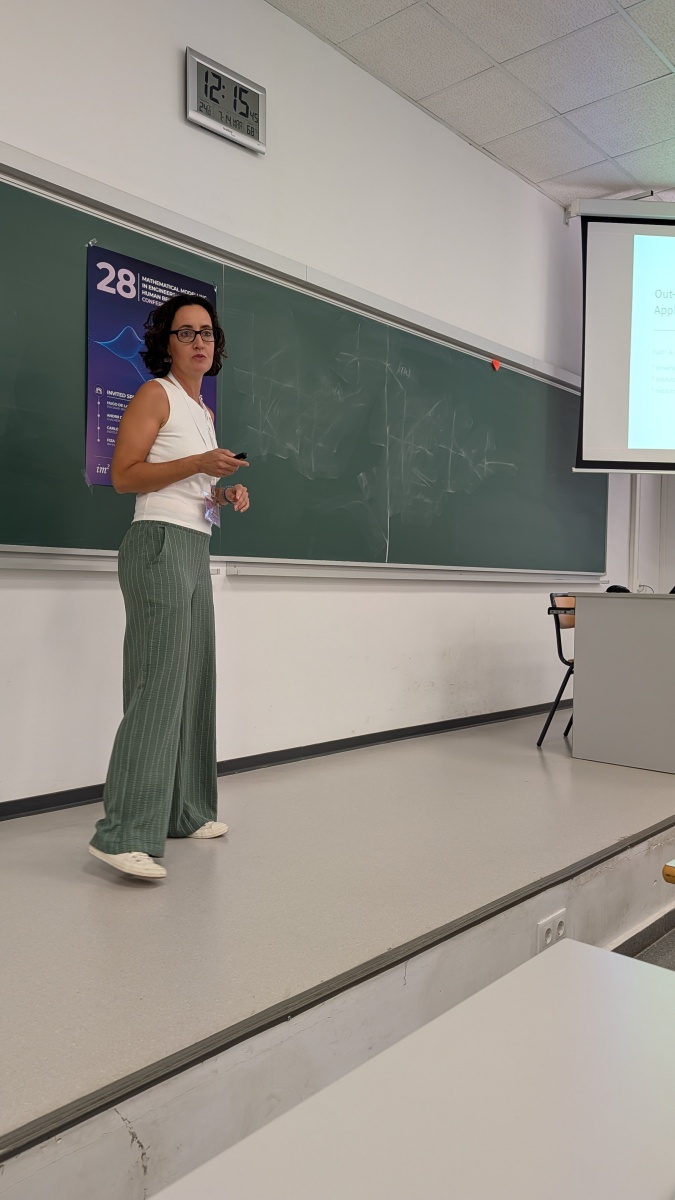
The second day of the International Conference on Mathematical Methods in Engineering and Human Behaviour (MMEHB26) continued to showcase the conference’s high scientific standards, bringing together researchers from numerous international institutions to address some of the most current challenges in applied mathematics, modelling, and computational methods.
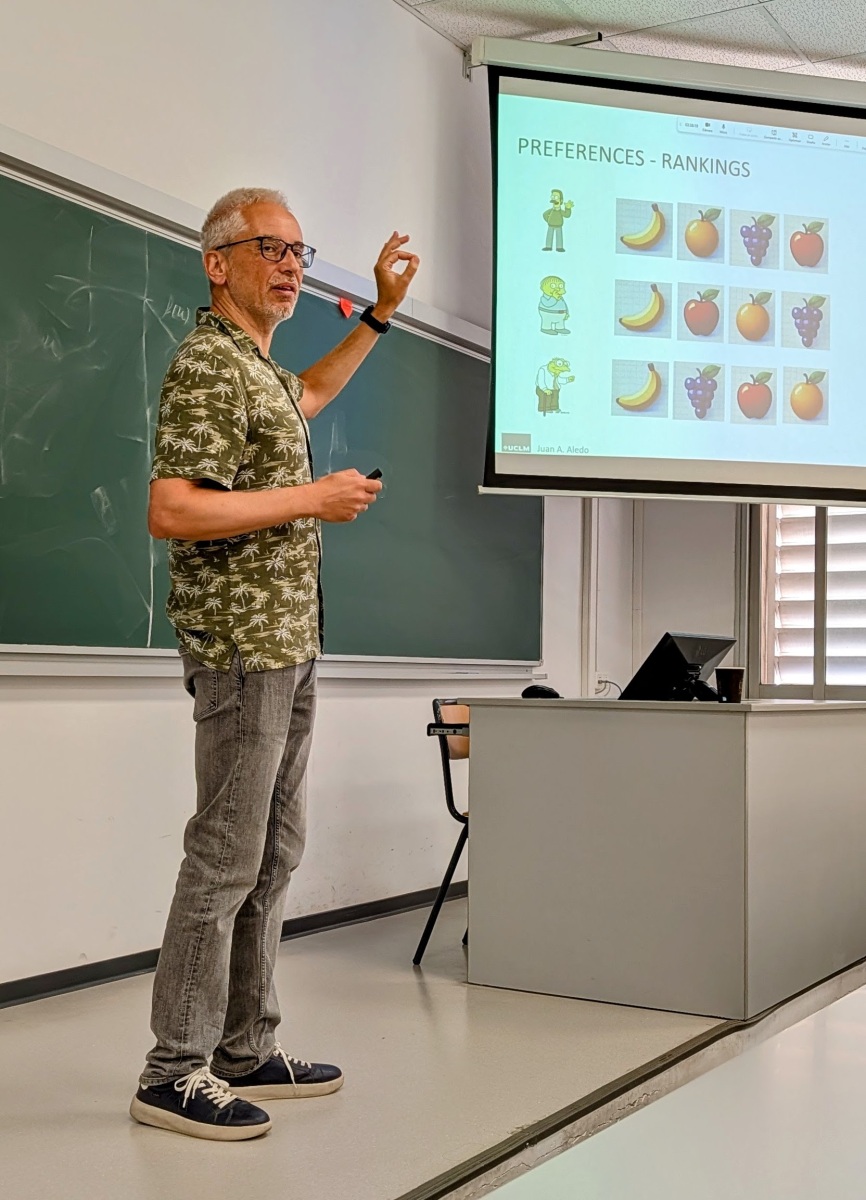
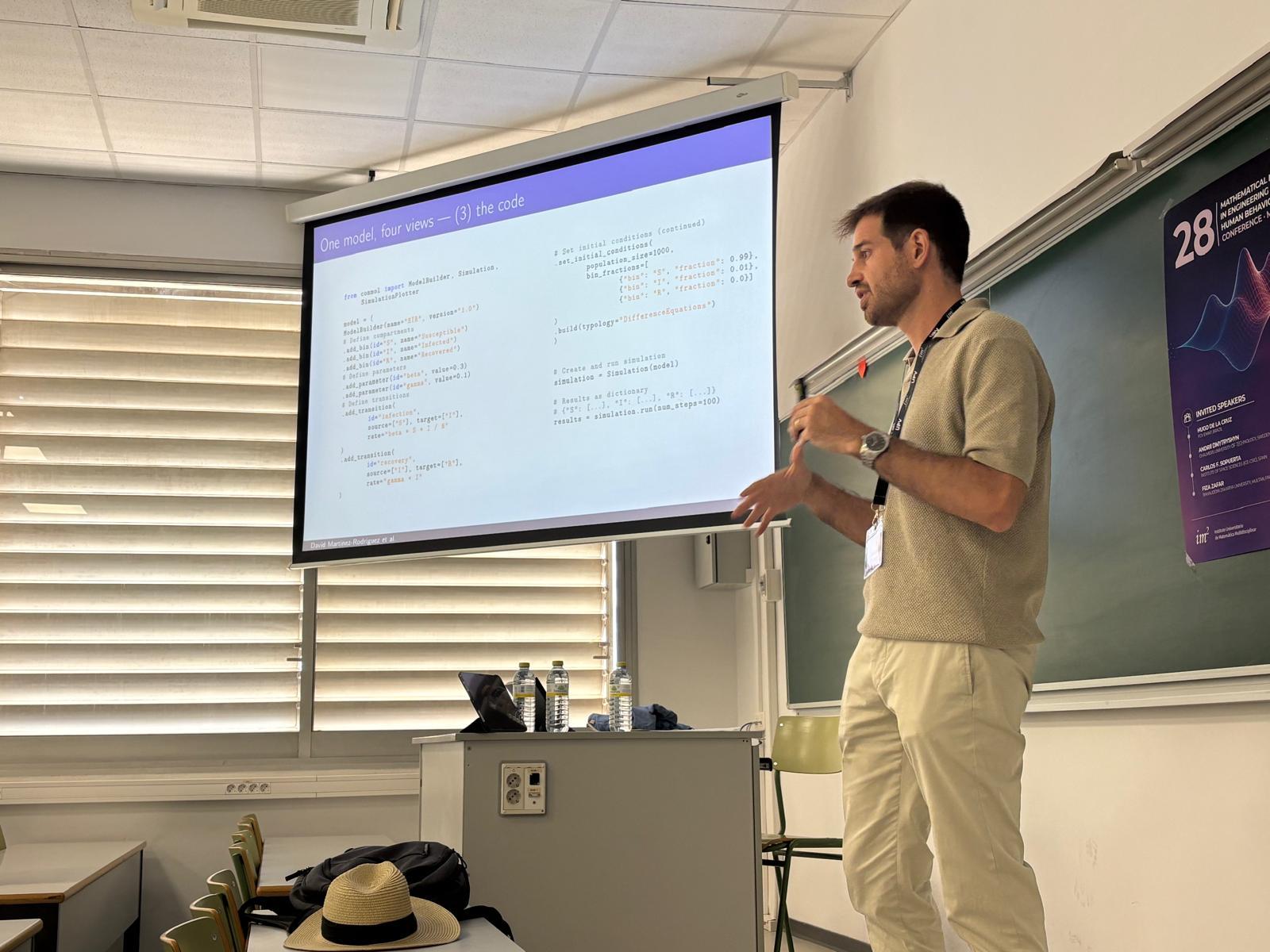
The scientific programme began with a first round of parallel sessions, enabling participants to explore different research areas and share recent results. The sessions held were:
MATHEMATICAL MODELS IN POPULATION DYNAMICS
UNCERTAINTY QUANTIFICATION AND MODELLING
GENERAL
LINEAR ALGEBRA, MATRIX ANALYSIS AND APPLICATIONS
These sessions featured contributions focused on population dynamics, uncertainty quantification in mathematical and computational models, matrix analysis, and linear algebra, together with a broad range of topics presented in the General Session. The presentations stimulated lively discussions and encouraged the exchange of ideas and new research perspectives.
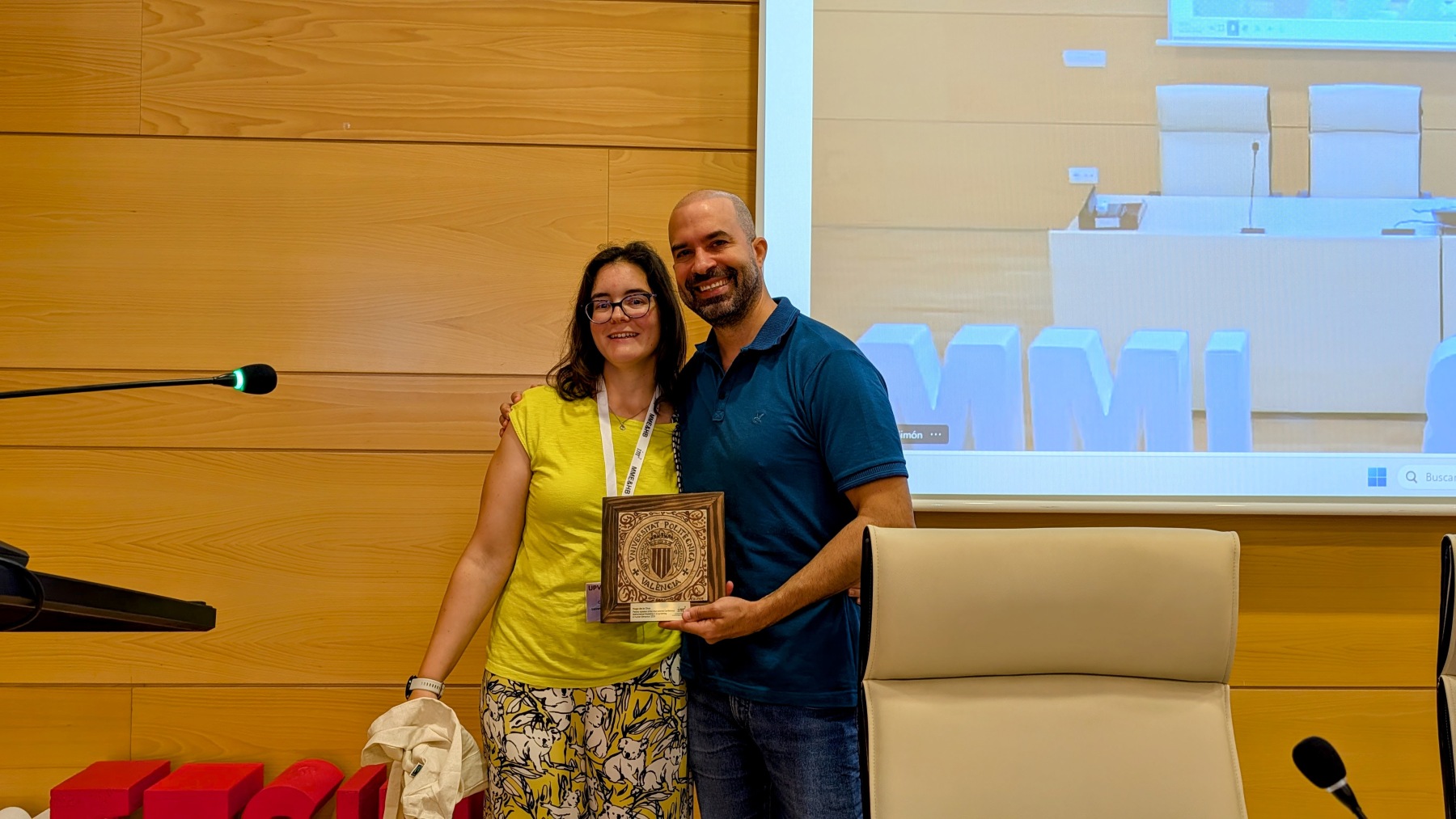
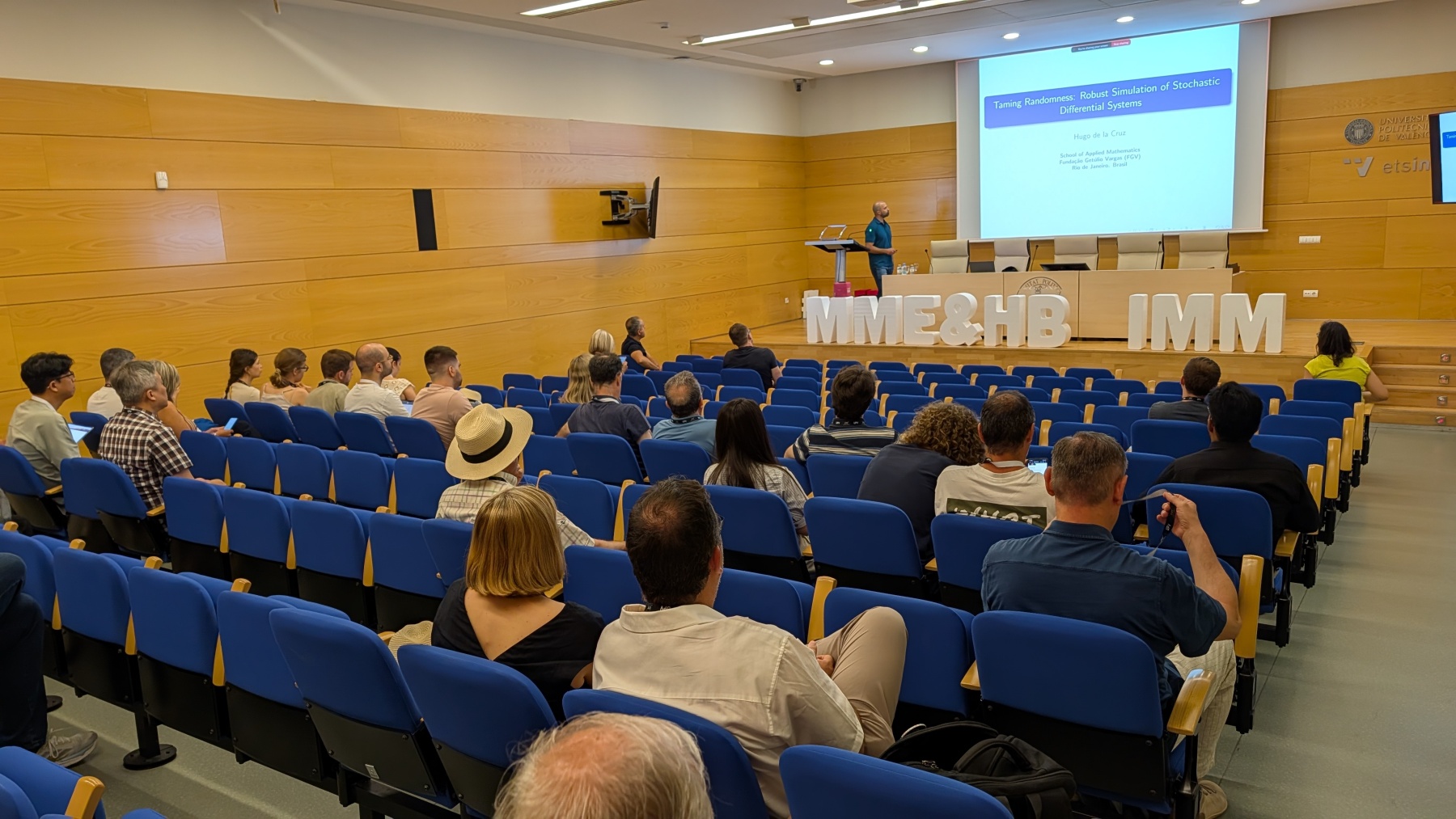
The day’s plenary lecture was then delivered by Hugo de la Cruz, from FGV EMAp (Brazil), under the title “Taming Randomness: Robust Simulation of Stochastic Differential Systems”. During his lecture, the speaker highlighted the fundamental role of stochastic differential systems in modelling uncertainty across diverse areas such as quantitative finance, molecular dynamics, and engineering applications. He also discussed the challenges associated with the numerical simulation of these systems, particularly in settings characterized by high dimensionality, stiffness, and error accumulation.
The lecture attracted considerable interest among participants, both because of the relevance of the applications presented and the importance of the mathematical challenges addressed. [HugoDeLaCruz | PDF]
Following the plenary lecture, the programme continued with a second round of parallel sessions:
MATHEMATICAL MODELS IN POPULATION DYNAMICS
UNCERTAINTY QUANTIFICATION AND MODELLING
GENERAL
DISEASES AND MATHEMATICAL MODELING IN PUBLIC HEALTH
This block once again focused on the mathematical modelling of complex phenomena while also featuring contributions related to public health applications and disease modelling, an area of growing societal relevance in which mathematics plays an increasingly important role in decision-making and scenario forecasting.
The scientific activities paused at midday for lunch, providing participants with an excellent opportunity to discuss the morning sessions, strengthen existing collaborations, and establish new connections among researchers from different backgrounds and institutions.
The programme resumed in the afternoon with a final set of parallel sessions addressing both theoretical developments and practical applications of mathematics:
MATHEMATICAL METHODS FOR ENGINEERING PROBLEMS
UNCERTAINTY QUANTIFICATION AND MODELLING
RECENT ADVANCES IN ITERATIVE PROCESSES FOR SOLVING NONLINEAR PROBLEMS
DISEASES AND MATHEMATICAL MODELING IN PUBLIC HEALTH
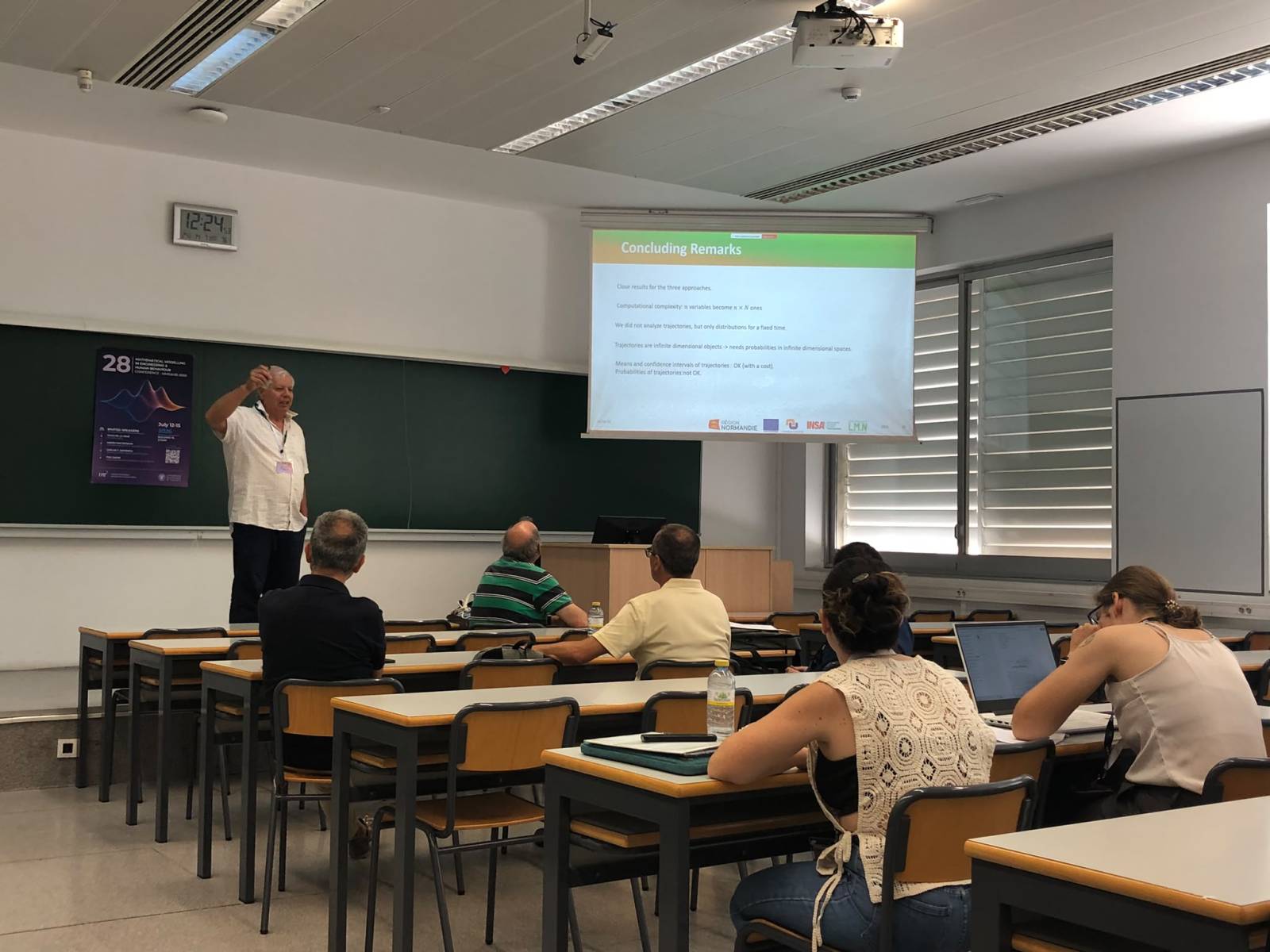
The presentations showcased recent advances in mathematical methods for engineering, uncertainty quantification techniques, new developments in iterative processes for solving nonlinear problems, and applications of mathematical modelling to public health. The sessions were characterized by strong attendance and highly engaging scientific discussions following the presentations.
As a highlight of the social programme, participants will gather this evening at Tria Restaurant for the traditional MMEHB26 Gala Dinner.
This social event will provide a relaxed setting for further strengthening the professional and personal connections established during the conference, encouraging the exchange of experiences among researchers, organizers, and students from different countries.
With its rich and diverse scientific programme, the second day of MMEHB26 once again demonstrated the multidisciplinary nature of the conference and its ability to bring together specialists from different fields around common challenges in mathematical modelling, scientific computing, and real-world applications of mathematics.